Tips to Become a Pro Player in FF Kipas: Complete Step-By-Step Guide
Becoming a better FF Kipas player needs more than changing a few settings. Good aim, quick movement, smart positioning, and regular practice all work together. You can use suitable settings to make controls more comfortable, but your real improvement comes from learning the game and reviewing your mistakes after every match.
What Makes a Pro Player?
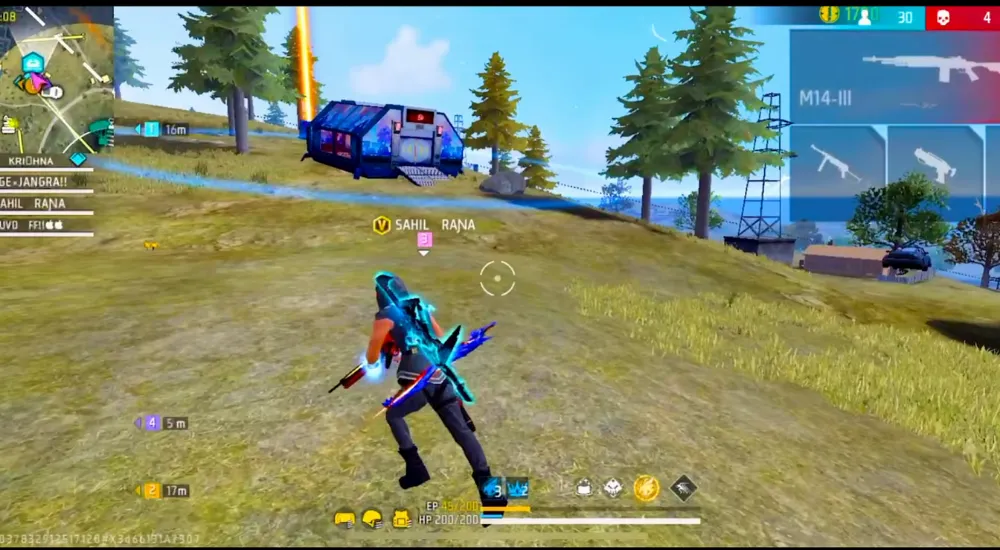
A strong player knows how to aim, move, position themselves, and make quick decisions. They do not rush into every fight. Instead, they watch enemy movement, use available cover, and choose the right time to attack or retreat.
Game knowledge is also important. Understanding the map, weapons, safe zone, and different situations helps you make better decisions during a match.
Set the Right Sensitivity
Sensitivity controls how quickly your aim and camera respond to finger movements. The best setting is different for every player because phones, screen sizes, and playing styles are not the same.
Start with a comfortable level and test it in training mode. If your aim moves too quickly, lower the setting. If turning or tracking enemies feels slow, increase it slightly.
Avoid copying another player’s sensitivity exactly. Use other settings as a starting point and adjust them for your own device.
Create a Comfortable HUD
A good HUD can make important controls easier to reach during a fight. Place the fire, movement, scope, crouch, and jump buttons where your fingers can reach them without extra movement.
You can also experiment with two, three, or four finger controls. The best layout is the one that lets you aim, move, and fire without feeling uncomfortable.
Once you find a layout that works, keep using it for a while. Constantly changing your controls can make it harder to build muscle memory.
Improve Aim and Accuracy
Aim is one of the most important skills to develop. Spend time in training mode and practice tracking moving targets instead of only shooting stationary targets.
Practice Headshots
Work on moving your crosshair toward the upper body and head area while keeping your movement controlled. Start slowly and focus on accuracy before trying to shoot faster.
Learn Recoil Control
Different weapons behave differently when firing. Practice controlling your aim while shooting so you can keep your crosshair closer to the target.
Regular practice will gradually make your aim more consistent.
Improve Movement Skills
Good movement can make you harder to hit. Practice changing direction, strafing, crouching, jumping, and moving between cover.
Do not use the same movement pattern in every fight. Predictable movement makes it easier for an opponent to track you.
Try combining movement with aiming practice so both skills improve together.
Choose the Right Weapons
Learn what each weapon is designed for and choose combinations that match your playing style. And choose the unique name for the free fire.
Close-range fights usually require weapons that can deal serious damage quickly, while longer engagements need weapons that are easier to control from a distance.
Do not keep changing your weapon choices every match. Practice with a small selection first and learn their range, recoil, and reload behavior.
Learn the Map and Positioning
Map knowledge can give you an advantage before a fight even begins. Learn important locations, common routes, useful cover, and areas where opponents are likely to appear.
Try to avoid standing in open areas when you can use walls, buildings, rocks, or other cover.
Use High Ground.
Higher positions can provide a wider view of the area and better angles during fights. Hills, rooftops, and other elevated locations can help you watch enemy movement.
However, do not stay exposed just because you have the high ground. Always consider nearby cover and possible enemy positions.
Practice in Training Mode
Training mode gives you a safe place to work on your skills without worrying about losing a match.
Spend a few minutes practicing:
Short, focused practice sessions can be more useful than playing for hours without a clear goal.
Learn From Your Matches
After losing a fight, think about what happened. Ask yourself whether your aim was poor, your position was exposed, your movement was predictable, or you started the fight at the wrong time. Analyze all points in FF Kipas to become a pro player.
Learning from these mistakes helps you avoid repeating them. You can also watch experienced players to understand how they position themselves and make decisions.
Avoid Common Mistakes
These are some mistakes that most players make in the FF Kipas Gameplay.
Rushing Every Fight
Attacking every enemy immediately can put you in unnecessary danger. Check the situation before starting a fight.
Poor Positioning
Avoid staying in open areas without cover. A good position gives you more options if the fight changes.
Ignoring the Safe Zone
Do not wait until the last moment to rotate. Moving toward the safe area early can help you avoid unnecessary pressure.
Changing Settings Too Often
Give your sensitivity and HUD enough time to become familiar. Constant changes can make your controls feel inconsistent.
Simple Daily Practice Routine
A simple routine can help you improve steadily. Spend around 30 minutes on focused practice. Start with aim and recoil control, then practice movement and finish with a few matches.
After each session, identify one mistake you want to improve next time. Small improvements made consistently can have a bigger effect than trying to change everything at once.
FAQs
Final Verdict
Becoming a strong player is a gradual process. Work on sensitivity, aim, movement, positioning, map knowledge, and decision-making instead of depending on one setting. Practice regularly, learn from your mistakes, and keep improving one skill at a time.